
Auto shredder residue, also known as ASR, is one of the most challenging material streams in vehicle recycling. After end-of-life vehicles are shredded and the main metals are removed, the remaining residue still contains a complex mixture of plastics, rubber, foam, glass, textiles, wires, ferrous metals, aluminum, copper, brass, stainless steel, and other materials.
For many recycling plants, ASR is not only a waste stream. It can also contain valuable recoverable metals. The challenge is that these metals are often mixed with light materials, fines, dust, and irregular particles. Without a stable separation process, valuable aluminum, copper, brass, and other metals may remain in the residue, reducing the final value of the material.
This is why complete sorting system design is becoming increasingly important in ASR recycling. A single machine is usually not enough to handle the complexity of auto shredder residue. Instead, the material needs to be prepared, separated, and upgraded step by step.
The first important step is material preparation. ASR usually contains different PARTICLE SIZES in the same stream. Large pieces, fine particles, wires, and light materials may all be mixed together. If this material is fed directly into downstream separation equipment, the result can be unstable. TROMMEL screening can help divide the material into suitable size fractions and create a more consistent feed for the next separation stages.
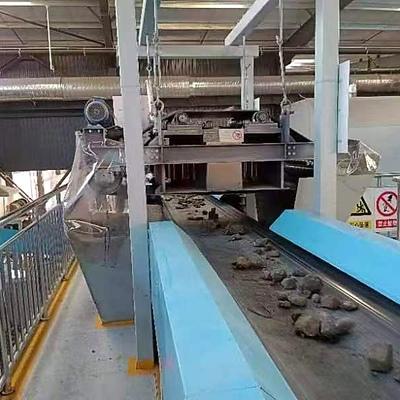
Once the material size is better controlled, ferrous metals should be removed by MAGNETic separation. Iron and steel pieces can affect downstream recovery and may cause unnecessary wear on equipment. By removing ferrous metals first, the remaining material stream becomes cleaner and more suitable for non-ferrous metal recovery.
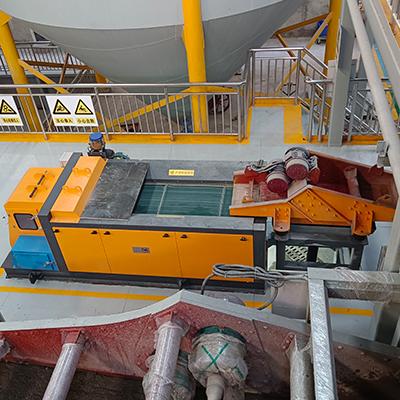
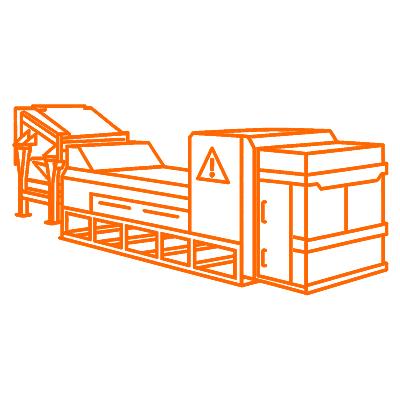
After MAGNETic separation, eddy current separation plays a key role in recovering valuable non-ferrous metals. An EDDY CURRENT SEPARATOR can separate conductive metals such as aluminum, copper, and brass from non-metallic materials such as plastics, rubber, glass, and fluff. In ASR recycling, this step helps reduce metal loss and improve the value of recovered materials.
For more complex material streams, AI sorting can also be used as an additional upgrading step. Some materials in ASR, such as stainless steel, insulated wires, circuit board pieces, and mixed plastics, may require more precise recognition. AI sorting can help improve final product purity and reduce the need for manual sorting when the upstream process is stable.
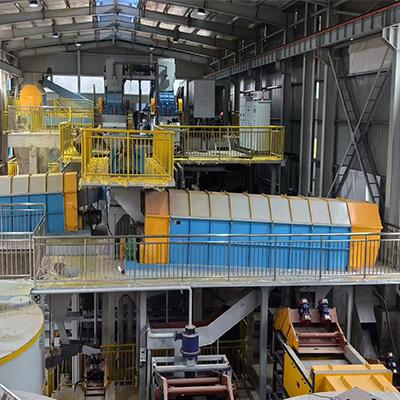
A well-designed ASR recycling line may include feeding, screening, magnetic separation, eddy current separation, AI sorting, and final quality control. Each part of the system has a clear function. Screening improves material size control. Magnetic separation removes iron and steel. Eddy current separation recovers non-ferrous metals. AI sorting can further upgrade selected material streams.
The performance of an ASR sorting system depends on both the equipment and the material condition. Material size, moisture level, dust content, feed layer thickness, rotor speed, belt speed, splitter position, and target product quality can all affect the final result. For this reason, recycling plants need a process that is designed around their actual material, not only a standard machine model.
Improving ASR separation can bring practical benefits to recycling operators. It can help recover more ferrous and non-ferrous metals, reduce valuable metal loss, improve material purity, lower manual sorting demand, and increase the value of recovered products. For plants processing end-of-life vehicles, mixed scrap, or shredder residue, better ASR sorting can create additional value from materials that may otherwise be treated as low-value residue.
CurrenTek provides TROMMEL screens, MAGNETIC SEPARATORs, EDDY CURRENT SEPARATORs, AI separators, and complete sorting solutions for ASR recycling, ELV recycling, mixed scrap processing, and non-ferrous metal recovery. Instead of only supplying a single machine, CurrenTek can recommend a suitable equipment combination based on material type, capacity, particle size, contamination level, and recovery goals.
As recycling materials become more complex, efficient ASR recovery depends on a stable and well-matched process. By combining screening, magnetic separation, eddy current separation, and intelligent sorting when needed, recycling plants can improve recovery efficiency and create cleaner, higher-value material streams.
If you are processing ASR, ELV residue, mixed scrap, or vehicle shredder materials, contact CurrenTek to discuss your material condition and recovery target. Our team can help recommend a practical sorting solution for your recycling operation.
